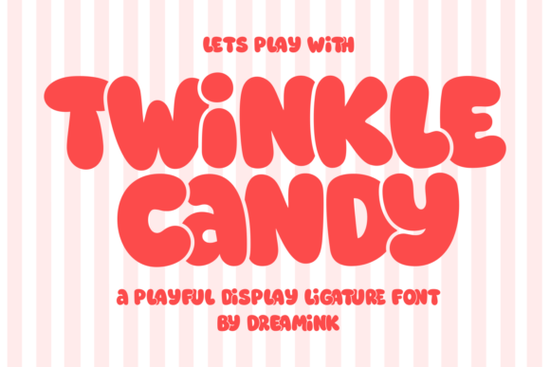
If you're looking for a friendly, hand-drawn display font that feels sweet, soft, and full of personality especially for kids’ products, bakery branding, or cheerful social media graphics you’ll likely enjoy Twinkle Candy Font. It’s not overly fussy or cartoonish, but it carries real warmth: rounded letterforms, gentle curves, and subtle ligatures that give text a light, handmade rhythm. Think birthday banners, sticker sheets, baby shower invites, or enamel pin designs not formal reports or legal documents.
What makes Twinkle Candy work so well for real projects?
First, it’s designed with intention not just “cute for the sake of cute.” The lowercase a, g, and y have open, airy shapes that improve readability at medium sizes (16–36 pt), even on printed labels or fabric tags. The ligatures like “fi,” “fl,” and custom pairs such as “oo” and “ee” aren’t automatic; they’re optional OpenType features you activate in design apps like Illustrator or Affinity Designer. That means you can choose when to add that extra bit of charm, without losing control over spacing or consistency.
It also scales nicely. At large sizes (72+ pt), the font holds its shape in headlines and wall decals. At smaller sizes (12–14 pt), it still reads clearly in short phrases like product tags or recipe cards especially when paired with a clean sans-serif for body text. You won’t need to kern every word manually, but a quick visual check helps keep things balanced.
Who’s using fonts like this and where?
Small-batch makers often reach for display fonts like Twinkle Candy Font when designing:
- Print-on-demand mugs, tote bags, and onesies aimed at parents and gift shoppers
- Local bakery logos, cupcake box labels, and seasonal menu boards
- Digital stickers for Canva or Procreate especially themed around birthdays, baby showers, or spring holidays
- Handmade greeting cards, scrapbook kits, and printable planners for kids or educators
Because it’s playful but not childish, it appeals across age groups grandparents love it for memory books, teens use it for fan art zines, and small business owners pick it for brand voice that feels approachable, not corporate.
How does it compare to other popular display fonts?
It sits comfortably between bolder, high-contrast options like Spizelmore Font (which leans more vintage and structured) and softer, minimalist choices like Vanilla Cream Font (which has less texture and fewer ligatures). If you’ve used Dusty Classic Font, you’ll notice Twinkle Candy is rounder, lighter on contrast, and more consistent in stroke weight. And while Best Friend Font shares some friendly energy, Twinkle Candy adds more nuanced flow especially in connected words like “sweet dreams” or “candy cane.”
None of these are “better” they serve different moods and contexts. Twinkle Candy shines when you want softness with movement, not just simplicity.
Practical tips before you download
You’ll get both OTF and TTF files, plus a PDF guide showing how to access ligatures and alternate characters in common software. No special plugins needed but if you’re new to OpenType features, spend five minutes watching a quick tutorial in your app of choice. Also keep in mind:
- Test spacing early. Even with built-in kerning, tight lines (like “ll” or “tt”) may need a tiny nudge in layout tools.
- Avoid all-caps for long blocks. It works fine for short headings (“YUM!” or “SWEET”), but loses legibility in paragraphs.
- Pair thoughtfully. Try it with Inter, Quicksand, or Commissioner for clean contrast no need to overcomplicate.
- Check licensing. The standard license covers personal and commercial use including POD platforms but doesn’t allow reselling the font file itself or creating derivative fonts.
Finally, if you’re building a cohesive brand kit, consider testing Twinkle Candy alongside complementary elements: pastel color palettes, simple line icons, and textures like watercolor washes or subtle paper grain. It doesn’t need much to shine just space to breathe and context that matches its gentle tone.
Next step: Open a blank document, type three short phrases (“Little Joy,” “Sprinkle Time,” “Made With Love”), and try switching between default and ligature versions. See which version feels most natural for your project then go build something real with it.
Get Started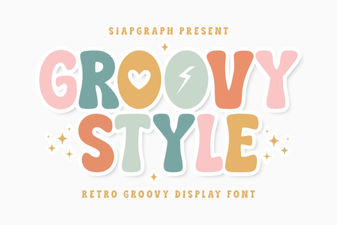 Groovy Font Designs for Your Creative Projects
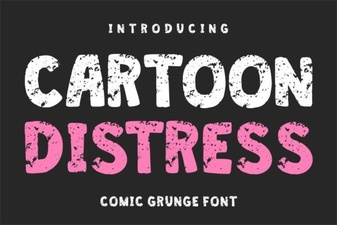 Cartoon Fonts for Eye-Catching Typography Projects
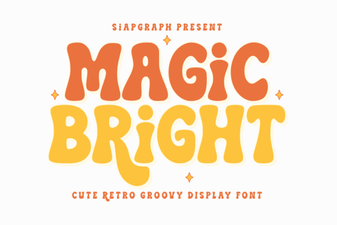 Enhance Your Design with Magic Bright Font
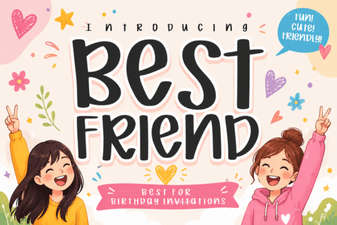 Best Friend Font: Tips for Creative Pairings
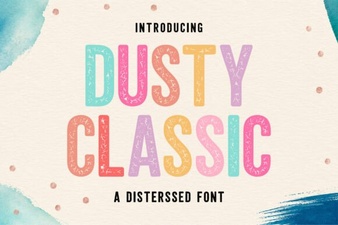 Design with Vintage Dusty Classic Fonts
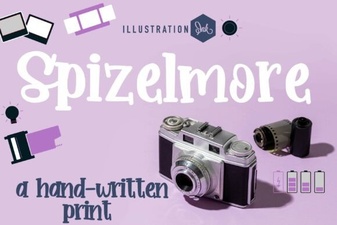 Spizelmore Font: Creative Design Applications