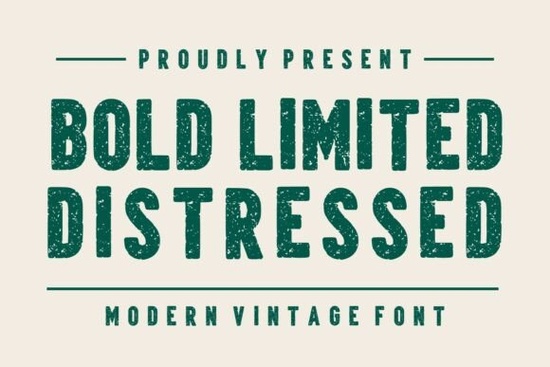
If you're looking for a display font that feels both strong and weathered like it’s been pulled from a vintage garage sign or a decades-old poster Bold Limited Distressed Font fits that need cleanly and reliably. It’s not overly ornate, nor is it sterile or digital-perfect. Instead, it balances bold, condensed letterforms with subtle, authentic texture just enough to suggest age and character without sacrificing readability. That makes it especially useful if you’re designing for real-world use: t-shirts, product labels, social media banners, or small-business signage where impact matters more than delicacy.
When does Bold Limited Distressed work best?
This font shines in contexts where you want your message to feel grounded, confident, and timelessly familiar. Think of outdoor gear brands naming a new trail series, a local coffee roaster launching a “Rustic Roast” line, or a print-on-demand shop building a collection of adventure-themed apparel. Its condensed width helps headlines stay tight and legible even at smaller sizes on mobile screens while the distressed texture adds tactile warmth you can’t get from clean sans-serifs.
Unlike some heavily grungy fonts that blur or overwhelm, Bold Limited Distressed keeps its structure intact. Letters don’t dissolve into noise. That’s why it works well across mediums: laser-cut wood signs, screen-printed tees, Instagram story text overlays, and even vinyl decals for trucks or storefronts. It’s also a solid choice if you’re layering text over photos its weight holds up against busy backgrounds without needing heavy outlines or shadows.
How does it compare to other display fonts on Creative Fabrica?
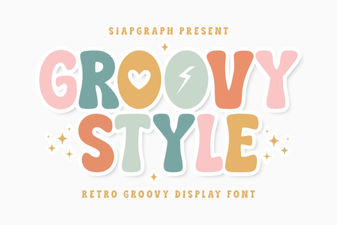
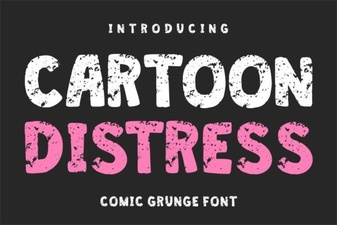
It sits comfortably between high-contrast retro styles and modern minimalism. For example, if you like the playful energy of the Groovy Style Font, but need something bolder and less decorative, Bold Limited Distressed offers more authority. Compared to the hand-drawn looseness of Cartoon Distress Font, it’s tighter and more consistent better suited for branding than one-off illustrations.
Designers who’ve used Spizelmore Font often appreciate its structured elegance, but may reach for Bold Limited Distressed when they want grit instead of polish. And while Vanilla Cream Font brings soft, rounded charm, this one leans into contrast and presence ideal when your brand voice is direct, no-nonsense, or built around authenticity.
What kinds of projects actually use it?
We’ve seen it applied thoughtfully in several practical ways:
- Small-batch product packaging especially for craft goods like hot sauce, soap, or artisanal jerky, where handmade appeal matters
- Apparel graphics think chest logos for hiking clubs, gym wear, or vintage-style band tees
- Social media banners and post headers it stands out in feeds without feeling aggressive
- Local business signage barbershops, bike shops, and repair garages often pair it with simple iconography
- Event posters music festivals, farmers markets, or community fairs benefit from its approachable strength
It’s worth noting that because the distressing is baked into the outlines not added as a separate layer or overlay it scales cleanly. You won’t run into alignment issues when resizing or converting to vector formats (though always test at your final output size).
Where to find it and what else to consider
You can download Bold Limited Distressed Font directly from Creative Fabrica. It includes standard Latin characters, numbers, and basic punctuation enough for most branding and short-text applications. If your project needs extended language support or alternate glyphs, check the product page details before purchasing.
For designers working across multiple styles, pairing it with a clean, neutral sans-serif (like Montserrat or Inter) for body text creates a balanced, professional hierarchy. Avoid stacking it with other distressed or condensed fonts that tends to compete rather than complement.
One practical tip: try using it at 20–30% opacity behind a solid-color version of the same word for subtle depth. Or reverse it out of dark backgrounds with a thin white stroke this highlights the texture without muddying the edges.
Before you use it:
- Test legibility at your smallest intended size (e.g., 16px on web or 8pt on a label)
- Check how it renders on common devices some textures soften or sharpen depending on screen type
- Verify licensing covers your use case (e.g., POD platforms like Redbubble or Teespring usually require an extended license)
- Save a version with the texture flattened if you plan to convert to SVG or Cricut-ready files
 Groovy Font Designs for Your Creative Projects
 Cartoon Fonts for Eye-Catching Typography Projects
 Twinkle Candy Font: Fun Design Projects & Ideas
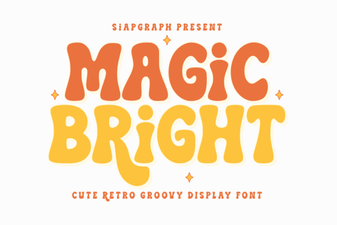 Enhance Your Design with Magic Bright Font
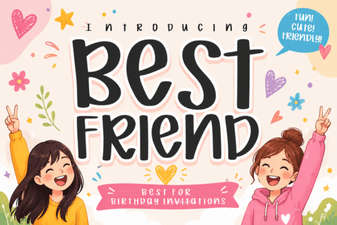 Best Friend Font: Tips for Creative Pairings
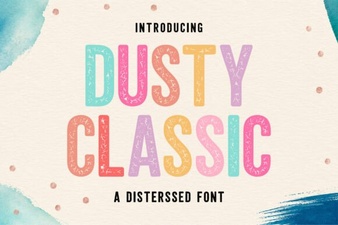 Design with Vintage Dusty Classic Fonts